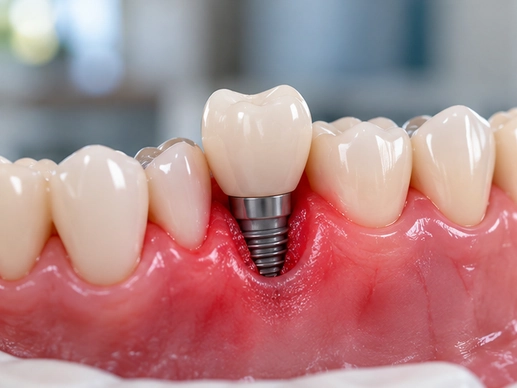
Having a dental implant is only the beginning. Your mouth needs time to heal, and a little extra care during this period can help you look after the treated area.
Your aftercare will depend on the procedure you’ve had and whether you’ve received a temporary restoration. It’s important that you follow the instructions given by your treating dentist, as these take priority over the general advice below.
Your First Few Hours After Implant Treatment
Your mouth may stay numb for several hours after local anaesthetic. Until feeling returns, take care not to bite your cheek or tongue or burn your mouth with hot food or drinks.
For the first few hours:
Leave the treated area alone
Follow your dentist’s instructions about gauze and bleeding
Don’t rinse or spit forcefully unless your dentist has told you to
Wait until the numbness wears off before eating
Avoid hot food and drinks while your mouth is numb
Take medication only as directed
Rest and follow the activity advice given by your dentist.
What Is Normal After Implant Surgery?
Some tenderness, swelling and light bleeding can occur after implant surgery. How much you experience will depend on the treatment you’ve had.
If advised, use a cold pack on the outside of your cheek for short periods and take recommended pain relief as directed.
If your pain or swelling becomes more pronounced rather than gradually settling, contact Dentists of Ivanhoe.
Eating After Implant Surgery
Your mouth may be tender, so softer foods can be easier to manage at first.
Chew away from the implant site where possible.
Avoid hard, crunchy or sticky foods that could disturb the area.
Take care with foods containing small, hard or sharp pieces.
Let food and drinks cool before having them if you’re still numb.
Return to your usual diet as your dentist advises.
What to Avoid
Smoking
Your dentist may advise you to avoid smoking while the implant heals. Smoking can affect the healing environment around an implant. If you smoke, speak with your dental team about the advice that applies to your treatment.
Strenuous Exercise
You may need to take a break from strenuous exercise after implant surgery. Follow the activity restrictions given by your dentist and return to exercise gradually when advised.
Putting Pressure on the Implant
If you’ve been given a temporary tooth or restoration, take extra care with it while the implant heals.
Don’t bite hard foods directly on the temporary restoration.
Don’t use your teeth to open packets or bite objects.
Don’t put unnecessary pressure on the area.
Don’t try to adjust or repair the restoration yourself.
Keeping Your Mouth Clean
Good oral hygiene remains important while your implant heals, but the surgical area may need special care initially. Follow your dentist’s instructions about when to brush around the implant, use a mouth rinse and begin cleaning directly around the area.
Continue cleaning the rest of your teeth as usual unless you’ve been given different instructions.
Once your implant treatment has been completed, continue brushing twice a day, cleaning between your teeth and attending regular dental examinations.
Your dentist will advise you on cleaning around the implant and how often it should be reviewed, depending on your implant and restoration.
Allowing Your Implant to Heal
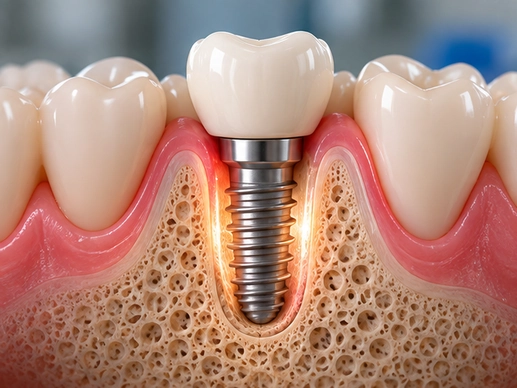
An implant needs time to integrate with the surrounding bone before treatment can move to the next stage. The timeframe varies from person to person.
Keep your follow-up appointments so your dentist can check the implant, surrounding tissues and any temporary restoration before deciding when you’re ready for the next stage.
Increasing redness or other changes that concern you
Difficulty opening your mouth
Persistent numbness or altered sensation
An unusual change in your bite
If you have concerns about your recovery, contact Dentists of Ivanhoe. Outside regular opening hours, call (03) 4060 3900 for information about our after-hours arrangements.
When Should I Call 000?
Call 000 or attend the nearest emergency department if swelling affects breathing or swallowing.
For other serious symptoms, including rapidly spreading facial or neck swelling, collapse or a severe allergic reaction, seek emergency medical attention.
Your cleaning routine will depend on your implant, restoration and stage of healing. Your dentist can show you how to clean the area and recommend suitable cleaning aids.
There is no single healing timeframe for every implant. Your dentist will monitor your progress and let you know when you can move to the next stage of treatment.
Yes. Regular appointments allow your dentist to check the implant, surrounding tissues, restoration and your general oral health. Your dentist will advise you how often you need reviews.