Aftercare Instructions

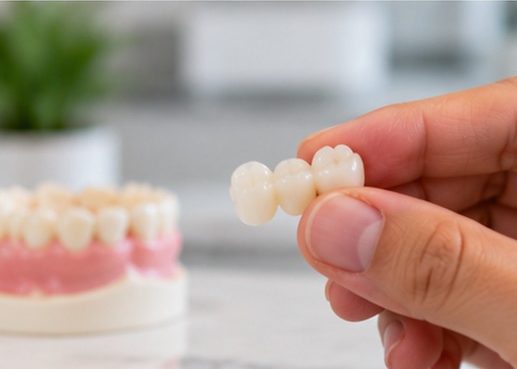
Dental Crowns and Bridges Aftercare

A new crown or bridge can take a little time to feel completely familiar. You may notice some tenderness around the treated tooth or gums, or simply need a few days to get used to the way the restoration feels when you bite and chew.

Your dentist will provide aftercare instructions based on the type of restoration you’ve received and the teeth involved. Follow those instructions if they differ from the general guidance below.

What to Do Today

If local anaesthetic was used, wait until the numbness has worn off before eating to avoid biting your cheek, lip or tongue.

While you are numb:

If you have a temporary crown or bridge, take particular care with it.

What Is Normal?

A new crown or bridge can feel different from your natural teeth at first. Your bite may also feel slightly unfamiliar, and some sensitivity to hot or cold can occur.

These sensations may settle as you adjust. Contact your dentist if the restoration feels too high, your teeth don’t come together properly, or sensitivity is severe, persistent or getting worse.

Eating With Your New Crown or Bridge

Once the numbness has worn off, you can generally return to your usual diet unless your dentist advises otherwise.

If you have a temporary restoration, take extra care with sticky or very hard foods.

What to Avoid

If your dentist has recommended a night guard, follow their instructions about its use.

Caring for Your Crown or Bridge Over Time

Crowns and bridges still need regular cleaning and ongoing dental care.

Caring for a Temporary Restoration

Temporary crowns and bridges need extra care until the permanent restoration is fitted.

When Should I Contact Dentists of Ivanhoe?

Contact us if:

If a crown or bridge comes away, keep the restoration if possible and avoid putting pressure on the area. Do not try to glue or reattach it.

Outside regular opening hours, call (03) 9499 9033 for information about our after-hours arrangements.

When Should I Call 000?

If significant swelling affects your ability to breathe or swallow, call 000 or attend the nearest emergency department.

Crowns and Bridges Aftercare FAQs

The area beneath a bridge needs particular attention because food and plaque can collect there. Your dentist can demonstrate suitable cleaning techniques and recommend floss, interdental brushes or other cleaning aids where appropriate.

They need regular cleaning and dental care, with some additional attention depending on the type of restoration. Your dentist can show you how to clean around and underneath your crown or bridge.

There isn’t a fixed lifespan for every crown or bridge. Their longevity can vary depending on factors such as oral hygiene, biting forces, the supporting teeth and general care. Regular dental examinations allow your dentist to monitor their condition.