
COMPOSITE BONDING

WHAT Is

Composite Bonding in Melbourne

Refresh your smile in a gentle, effective and affordable way
Subtle improvements for a more confident smile.

Time and again, we have witnessed that even small changes to your teeth can make a big difference to how you feel about your smile. At Dentists of Ivanhoe, we share the belief that every smile deserves exceptional care and attention to detail, to bring out its inherent beauty.

Our composite bonding treatments can help improve your smile through subtle refinements that are designed to look and feel natural. It can be used for a range of concerns – restoring a chipped tooth, balancing uneven edges, or brightening discoloured enamel.

This treatment is commonly chosen by patients across Melbourne seeking cosmetic improvements without complex procedures, where clinically appropriate.

WHAT IS COMPOSITE BONDING?

Composite bonding is a cosmetic dental treatment that uses a tooth-coloured resin to repair, reshape, or refine the appearance of teeth. Also commonly referred to as dental bonding or teeth bonding in Melbourne, it is often recommended to address concerns such as small chips and cracks to uneven edges, discolouration, or gaps between teeth.

After finding a close colour match with the rest of your teeth, our dentists will carefully apply, sculpt and set it in place, so that it blends seamlessly with your natural smile. The material used in composite bonding is durable and designed to mimic the natural translucency of enamel.

Unlike more invasive treatments such as veneers or crowns, bonding requires little to no removal of tooth structure, making it a more conservative cosmetic option in suitable cases.

Composite bonding is preferred by Melbourne patients who are seeking a treatment that is:

Conservative: Preserves the natural tooth.

Versatile: Able to correct multiple cosmetic issues in a single appointment.

Accessible: A more affordable and time-efficient option compared to porcelain veneers or crowns.

If you’re looking for a non-invasive, cost-effective treatment to your cosmetic dental concern, composite bonding is something you should consider. Not only does it deliver immediate results but it’s a very effective solution that helps you lengthen teeth, even out tooth edges, and fill in gaps and cavities. With low cost and zero recovery time, what are you waiting for?

Contact us to book your consultation today.
BENEFITS OF COMPOSITE BONDING

Composite bonding is among the more accessible cosmetic dental treatments available in Melbourne today. Here are some reasons patients may consider it:

Minimally invasive: Composite bonding usually involves little to no removal of healthy enamel.

Affordable: Composite bonding cost in Melbourne is generally lower than that of veneers or crowns, depending on the case.

Immediate results: In many cases, treatment can be completed in a single appointment.

Natural-looking: The resin used in composite bonding is colour-matched to your surrounding teeth to support a natural appearance.

Reversible: Because minimal tooth structure is altered, bonding may be adjusted or removed in some cases.

For many patients, composite bonding can be an affordable resin bonding option that balances appearance, convenience, and cost. Suitability and outcomes can vary between individuals and is discussed during consultation.

Contact us to book your consultation.

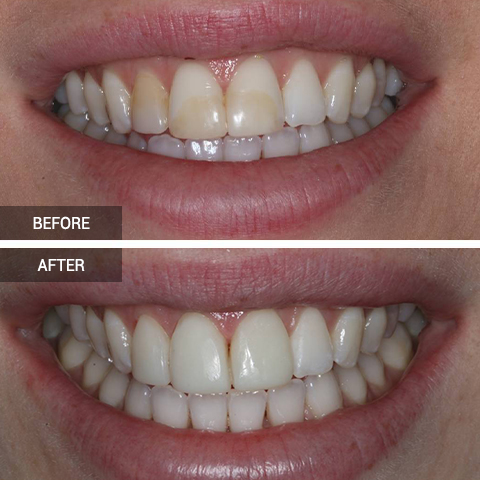
SMILE Gallery

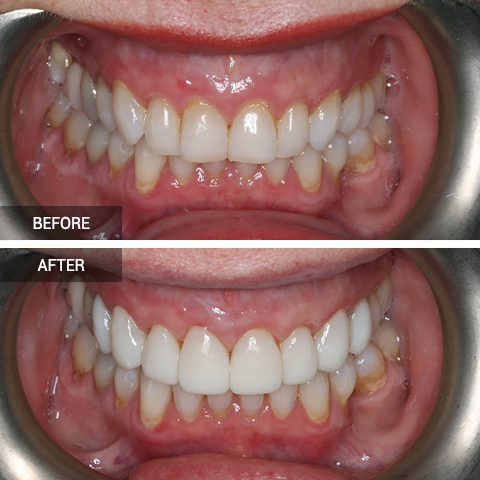
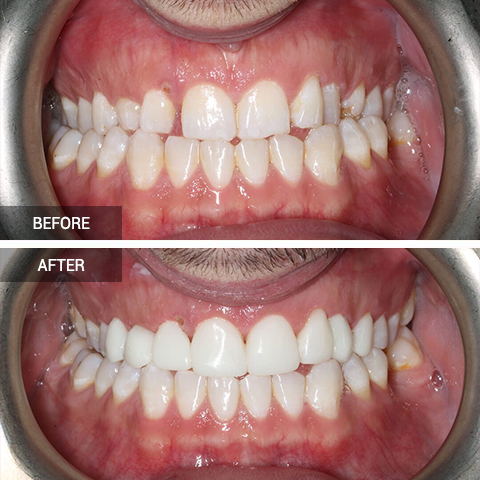
Before After Cosmetic Makeover 1

PROBLEM

Discoloured and crooked teeth top teeth

SOLUTION

Porcelain crowns and veneers on twelve upper teeth
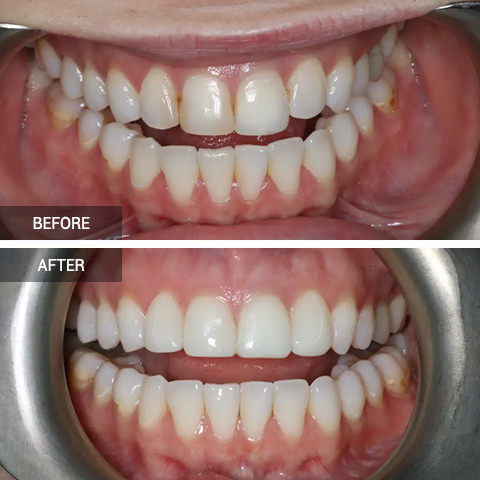
Before After Cosmetic Makeover 2

PROBLEM

Severely worn down and discoloured teeth

SOLUTION

Zoom teeth whitening and full mouth composite build-up of all teeth

When is Composite Bonding Recommended?

At Dentists of Ivanhoe, we recommend composite bonding when clients wish to make subtle but noticeable improvements to their smile without needing to invest too much, or go through anything invasive, and the treatment is clinically appropriate.

Typically, bonding is a preferred option for a range of everyday concerns, such as:

  • Chipped or cracked teeth – for example, after biting into something hard.
  • Uneven or short teeth – helping create a more balanced smile.
  • Gaps between teeth – closing spaces without braces or aligners.
  • Discolouration or staining – when whitening alone isn’t effective.
  • Minor reshaping – smoothing out irregular edges or improving overall tooth shape.
What to Expect in a Composite Bonding Procedure

Composite bonding uses a tooth-coloured composite resin that is made from the same material used in modern tooth fillings. We take great care to select the colour of your natural teeth for a seamless look.

It is important to know from the onset that this resin cannot be whitened once applied. For this reason, if you are considering teeth whitening later, it would be a good idea to get that done first, so that the resin used can be colour-matched to your brighter smile. Here is an overview of all the steps you would go through, as part of the composite bonding process:

1. Preparation
We will start by gently polishing the surface of the tooth, to create the ideal base for the resin to bond securely.

2. Application of Conditioning Gel
A liquid conditioner is then applied to the tooth. This step ensures the composite resin adheres firmly to the surface.

3. Shaping the Resin
The tooth-coloured resin is placed and sculpted with precision to correct chips, close gaps, lengthen worn edges, or improve overall shape.

4. Hardening with Light
Once we get the right shape, your composite bonding will be cured (hardened) using a special UV light.

5. Final Shaping and Polishing
The bonded tooth is refined and polished so that it blends seamlessly with your surrounding teeth, leaving you with a natural-looking smile.

COMPOSITE BONDING COST IN MELBOURNE

If you’re considering improving your smile with composite bonding in Melbourne, you may be wondering about costs. The price of treatment can vary depending on several factors.

As a general guide, composite bonding may start from around $450 per tooth, depending on clinical complexity. Final costs are confirmed following assessment.

Factors influencing cosmetic dental bonding cost include:

Number of teeth being treated: Some clients might require bonding on a single tooth, while some others might need it on several teeth – influencing the cost accordingly.

Complexity of the case: Addressing small chips or cracks is generally simpler than closing gaps, reshaping teeth, or making multiple adjustments.

Dentist expertise: Choosing an experienced dentist can ensure precision, natural-looking results, and long-lasting outcomes.

Compared to other cosmetic options such as porcelain veneers or dental crowns, composite bonding is generally more affordable while still delivering noticeable improvements to your smile. A personalised treatment plan and written cost estimate is provided during your consultation before treatment proceeds.

POTENTIAL RISKS AND SIDE EFFECTS OF COMPOSITE BONDING

While composite bonding is a commonly used cosmetic dental treatment, it is important to understand potential risks and limitations.

Possible after-effects may include:
 • Temporary tooth sensitivity
 • Mild gum irritation
 • Chipping or wear over time
 • Staining of the resin material
 • The need for maintenance or replacement

During your consultation, your dentist will assess your oral health and discuss these risks to determine whether composite bonding is suitable for your individual situation.

Composite Bonding vs Veneers vs Crowns

We often get asked how composite bonding differs from veneers and crowns, so we decided to put together a list of the key differences between the three:

Treatment Ideal For Procedure Durability Cost
Composite Bonding Small chips, gaps, discolouration, uneven edges Non-invasive, minimal to no enamel removal; resin applied in a single visit 5–7 years with good care; may need regular monitoring Most affordable option; composite bonding cost in Melbourne is generally lower than veneers or crowns
Porcelain Veneers Moderate chips, heavy discolouration, reshaping visible front teeth Thin porcelain shells bonded to front of teeth; requires some enamel reduction 10–15 years; resistant to stains but cannot be repaired if chipped Porcelain veneers require higher investment than bonding, but long-lasting
Dental Crowns Severely damaged, decayed or weakened teeth Covers the entire tooth; more invasive as tooth needs reshaping 10–15+ years with proper care; very durable Higher cost; usually covered partly if medically necessary
CONSULT YOUR COSMETIC DENTISTS IN MELBOURNE

At Dentists of Ivanhoe, we have worked with many patients seeking improvements in the appearance of their smile.

Composite bonding is a solution that may be considered if you’ve got a chipped tooth, a gap, a discoloration, or even need an emergency repair.

Speak with our team at Dentists of Ivanhoe to discuss whether this procedure is right for you.

DOI

ACHIEVE A HEALTHY AND STRAIGHTER SMILE

To arrange a consultation with our dentists in Ivanhoe, or for any enquiries, please call our clinic today.

FAQ

Here are some frequently asked questions to help you understand composite bonding and whether it may be suitable for you.

Composite bonding is generally considered a minimally invasive procedure. In many cases, little to no drilling is required and local anaesthetic may not be necessary. Most patients report minimal discomfort, although individual experiences can vary.

Composite bonding is not considered permanent and can wear down over time. In general, bonding may last several years (often around 5-7), depending on the size and position, as well as your oral habits. We recommend regular dental check-ups and regular cleans to monitor its overall condition.

The composite bonding cost in Melbourne depends on the number of teeth being treated and the complexity of your case. Our team will provide a personalised treatment plan and a clear breakdown of costs during your consultation.

Yes. Composite bonding may be used to address a single chipped, cracked, or discoloured tooth where clinically appropriate. In other cases, bonding may be applied to multiple teeth for more consistent cosmetic outcomes.

The terms are sometimes used interchangeably. Composite veneers usually refer to bonding applied across the front surface of teeth for cosmetic purposes, whereas composite bonding can also include smaller repairs or reshaping. Your dentist can explain which approach is being considered in your case.

Non-urgent dental treatments are often postponed during pregnancy. Whether composite bonding is suitable depends on individual circumstances, timing, and clinical need. It’s important to discuss this with both your dentist and healthcare provider.

Orthodontic treatment and composite bonding may sometimes be combined as part of a broader treatment plan. The sequence and suitability depend on individual tooth alignment and treatment goals.

Composite bonding may help improve the appearance of mildly misaligned teeth. However, it does not move teeth and may not be suitable for more significant alignment concerns.

The tooth-coloured resin used in bonding is durable, but it may be more prone to staining or chipping as compared to porcelain veneers. Habits like biting hard objects, nail-biting, or frequent consumption of strongly coloured foods and drinks may affect longevity.

Composite bonding is cared for in much the same way as natural teeth. Continue to brush your teeth twice a day and see your hygienist regularly in order to maintain good oral health. Also avoid putting undue pressure on your tooth, such as biting your nails to reduce wear or damage.

Composite bonding and veneers serve different purposes and may suit different clinical situations both. Bonding typically involves less tooth preparation and may be more cost-accessible, while veneers may offer greater durability in some cases. Your dentist can explain the differences and help you explore suitable options.

In most cases, you can usually eat and drink shortly after your composite bonding treatment in Melbourne, though it’s best to avoid very hard or staining foods in the first 24–48 hours.

Composite bonding is considered a conservative treatment and typically involves minimal alteration to the natural tooth. When performed appropriately, it aims to preserve tooth structure.

In many cases, composite bonding can be adjusted or removed by a dentist without significant impact on the underlying tooth, depending on how it was applied.

Composite resin does not respond to whitening treatments in the same way as natural enamel. Whitening is usually considered before bonding so the resin can be colour-matched accordingly.

Bonding can visually improve tooth shape and symmetry in some cases, but it does not correct tooth position. Your dentist can advise whether cosmetic bonding or orthodontic treatment is more appropriate.