After a tooth extraction, the area needs time to heal and a blood clot forms in the socket. Looking after the site carefully during the first 24 hours is important.
Your dentist will provide instructions based on the tooth removed and the type of extraction you’ve had. Follow those instructions if they differ from the general guidance below.
What to Do Today
For the first 24 hours:
Do not rinse your mouth.
Do not spit forcefully.
Do not disturb the extraction socket with your tongue, fingers, toothbrush or another object.
If gauze has been placed, keep it in place for the period recommended by your dentist.
Wait until the local anaesthetic has worn off before eating or drinking anything hot.
Take recommended medication as directed.
After 24 hours, you can gently rinse with warm salt water if your dentist has advised this. Avoid vigorous swishing or forceful spitting.
If Bleeding Restarts
Place clean gauze over the extraction site and apply firm, steady pressure for the period specified by Dentists of Ivanhoe.
If bleeding remains heavy or does not settle after following these instructions, contact the practice.
What Is Normal?
Some tenderness, swelling and light bleeding can occur after an extraction. The socket may also look like an opening where the tooth was removed and will gradually change as it heals.
Pain should generally become more manageable as healing progresses. Severe or increasing throbbing pain, particularly two to five days after extraction, may indicate dry socket. An unpleasant taste or odour can occur as well. Contact Dentists of Ivanhoe if you notice these symptoms.
Eating After a Tooth Extraction
Wait until the numbness has worn off before eating.
While the area is healing:
Choose softer foods that require less chewing.
Avoid very hot food and drinks.
Avoid hard, crunchy or sharp foods that could disturb the socket.
Chew away from the extraction site where possible.
Drink plenty of water.
Gradually return to your usual diet as the area becomes more comfortable.
What to Avoid
The extraction site needs to remain undisturbed while the initial blood clot forms.
Do not rinse, spit forcefully or disturb the socket during the first 24 hours.
Don’t probe the socket with your fingers, tongue, toothbrush or another object.
Avoid smoking and vaping for the period recommended by your dentist.
Avoid strenuous exercise for the period recommended by your dentist.
Avoid hard or crunchy foods that could irritate the site.
Caring for Your Mouth After an Extraction
You can continue caring for your other teeth, but take care around the extraction site.
Brush your other teeth as usual without disturbing the socket.
Follow your dentist’s instructions about cleaning closer to the extraction site.
Use gentle warm salt-water rinses after 24 hours if recommended.
Don’t probe the socket to remove food or debris.
Your dentist can advise when you can return to your usual cleaning routine around the extraction site.
Replacing a Missing Tooth
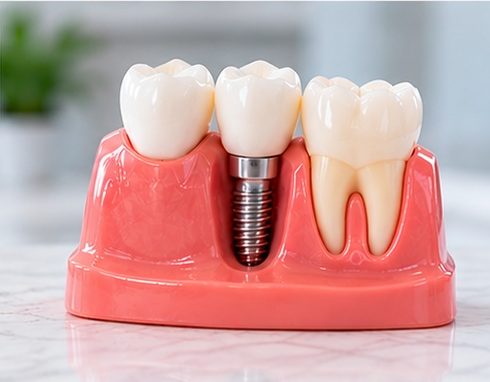
Depending on which tooth was removed, your dentist may discuss whether replacing it is appropriate. Options can include a dental implant, bridge or denture, depending on your oral health and the position of the missing tooth.
When to Contact Dentists of Ivanhoe?
Contact us if you experience:
Bleeding that remains heavy or does not settle after following the gauze instructions
Severe or increasing pain
Severe or increasing throbbing pain two to five days after extraction
An unpleasant taste or odour from the extraction site
Increasing swelling
Discharge from the extraction site
Persistent or worsening discomfort
If you need assistance outside regular opening hours, call (03) 9499 9033 for information about our after-hours arrangements.
When Should I Call 000?
If heavy bleeding following a tooth extraction cannot be controlled, call 000 or attend the nearest emergency department.
Significant swelling that affects breathing or swallowing also requires immediate emergency care.
Healing varies depending on the tooth removed, the type of extraction and your individual circumstances. Your dentist can give you a more specific indication based on your procedure.
Depending on the tooth removed and your oral health, your dentist may discuss options such as a dental implant, bridge or denture. They can explain which options may be appropriate for your circumstances.
The effect of a missing tooth can vary depending on its location and the surrounding teeth. Your dentist can discuss whether replacing the tooth is appropriate and what this may involve.