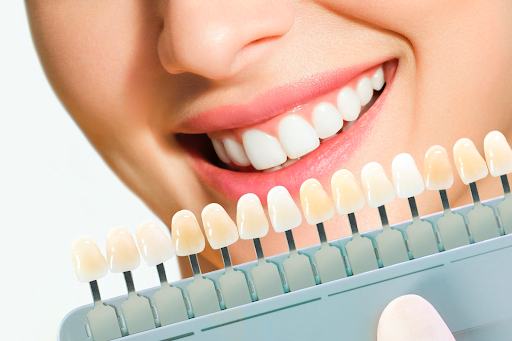

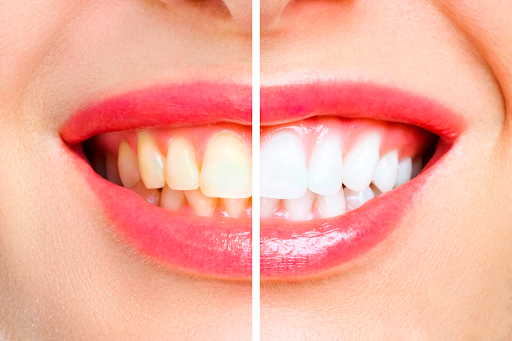
In the fields of restorative and cosmetic dentistry, composite bonding is unique in that it is a very successful method of restoring damaged front teeth. It’s perfect for people who want to make their smile look better and works especially well on teeth with chips, cracks, irregular shapes, or discolourations. Composite bonding is not only a practical solution, but it also produces excellent outcomes. We will explore the intricacies of composite bonding in this post, including the process, advantages, post-treatment care, durability, and alternative treatments to take into account.
Procedure: Transforming Your Smile in One Visit
One visit to the dentist is often all that is needed for the simple and comfortable dental procedure of composite bonding. It entails carefully applying composite resin to your teeth to restore their aesthetic appeal. Let’s go over each step of the procedure in detail:
- Consultation: A preliminary consultation is where your adventure starts. Here, your dentist will assess if composite bonding is the right procedure for you. They will evaluate your dental issues, talk with you about your goals, and give you a thorough rundown of the process.
Tooth Preparation: The dentist will select a
- resin shade that closely matches the colour of your natural teeth if you opt to move forward with the treatment. Next, they will smooth up the tooth surface a little bit to make sure the resin sticks to it properly.
- Applying the Composite Resin: The composite resin is then applied to your teeth by the dentist in a manner that’s similar to putty. The dentist carefully forms and sculpts the resin to give it a pleasing and natural appearance.
- Resin Curing: After that, the resin is set and hardened using a specialised curing light. By activating the bonding agents in the resin, this light helps to firmly bond the material to your tooth. The resin becomes robust and long-lasting after curing.
- Polishing: The last stage entails polishing and fine-tuning your tooth. The bonded tooth is polished to a smooth, natural sheen by your dentist, who also makes any necessary adjustments.
The number of teeth you’re treating determines how long this process takes. Typically, each tooth requires between thirty and sixty minutes of work. Naturally, procedures take longer when more teeth need to be treated.
Benefits: Why Choose Composite Bonding?
Selecting composite bonding to improve your smile has a number of significant benefits. This is the reason it sticks out as the best option for many people:
- Affordability: When it comes to dental makeovers, we all know how quickly costs can add up. That’s where composite bonding shines. It’s a budget-friendly alternative to pricier options like porcelain veneers or crowns, offering significant improvements without draining your savings.
- Fast Transformation: In today’s fast-paced world, who has the time for multiple dental appointments? Composite bonding understands the assignment. Most times, you walk in and walk out of the clinic the same day with a transformed smile. It’s the go-to solution for those who can’t wait to see their new smile.
- Gentle Approach: Composite bonding usually skips the drilling and keeps your healthy teeth intact. Plus, it’s like having a plan B – reversible if you ever change your mind.
- Natural Appearance: Ever dreamt of a smile that looks effortlessly natural? Composite bonding is like a chameleon. The resin used is tailored to mimic your teeth’s colour and shade, crafting a smile that looks natural.
- Versatility: Whether you’re dealing with chips, cracks, discolouration, or that annoying little gap, composite bonding is like a Swiss Army knife for dental issues.
Aftercare: Maintaining Your Beautiful Smile
After you’ve stepped out of the dentist’s office with your new composite bonding, it’s like you’ve got a brand-new smile. To keep it looking its best, a little TLC goes a long way. Here’s our personal playbook on caring for your bonding:
- Steer Clear of Stain Culprits: Picture this: You’ve just got your bonding done, and it’s looking fabulous. For the next 48 hours, play it safe by avoiding the usual suspects like coffee, tea, red wine, and, yes, the smoking stuff. These are notorious for leaving their mark, and we want your bonding to stay pristine.
- Treat It Like Fine China: Your bonded teeth are tough, but they’re not invincible. So, when it comes to biting down on hard stuff – think ice, pens, or your nails (we’ve all been there) – just don’t.
- Brush, Floss, Repeat: Good oral hygiene is like the guardian angel for your teeth. Brush at least twice a day and make flossing your new best friend. It’s not just about keeping your smile bright; it’s about keeping your teeth and gums in top-notch shape.
- Regular Dentist Check-Ups: Visiting your dentist every six months is like taking your car for a check-up. They’ll keep an eye on your bonding, polish up your teeth, and catch any sneaky issues before they become big headaches.
Embrace these tips like you’d care for a prized possession. After all, your smile is one of your most precious assets. Keep it shining, and it’ll keep you smiling for years to come!
Longevity: How Long Does Composite Bonding Last?
The lifespan of composite bonding depends on various factors, including the location of the bonding, the strength of your natural teeth, and your oral hygiene habits. On average, composite bonding can last between four and eight years on front teeth, but with proper care, it can potentially last even longer.
Important Considerations: What to Know Before Getting Composite Bonding
Before undergoing composite bonding, there are a few important considerations to keep in mind:
- Tooth Adjustment: In some cases, tooth adjustment may be necessary to achieve the desired alignment and appearance. Your dentist will discuss this with you during the consultation and present alternative solutions, such as braces, if appropriate.
- Pain and Discomfort: Composite bonding is generally a painless procedure, and local anaesthesia is usually not required.
- Adjustment Period: After the bonding procedure, you may feel aware of the surfaces of your teeth for a few days. It’s normal to experience some adjustment period until you become accustomed to chewing with your new smile.
- Bonding Longevity: Composite bonding is not permanent and will eventually need to be replaced. The lifespan of bonding varies, but it generally lasts between 3-7 years.
- Maintenance: Proper maintenance is crucial for the longevity and appearance of composite bonding. Regular visits to the dentist for cleaning and maintaining a good oral hygiene routine are crucial.
Embrace Your Confident Smile with Composite Bonding
Composite bonding is a fantastic option for transforming your front teeth and achieving a confident smile. Its affordability, speed, and natural-looking results make it an attractive choice for many individuals. By following proper aftercare and maintaining good oral hygiene, you can enjoy the benefits of composite bonding for several years.

If you’re considering composite bonding or any other dental treatment, Dentists of Ivanhoe is here to help. Our team of dentists offers a range of dental care services and can guide you through the process, ensuring the best possible results. Contact us today to arrange a consultation and take the first step towards your dream smile.
To schedule a consultation with Dentists of Ivanhoe and learn more about composite bonding, please visit our website or call us at (03) 4060 3999. We look forward to helping you achieve a confident smile!